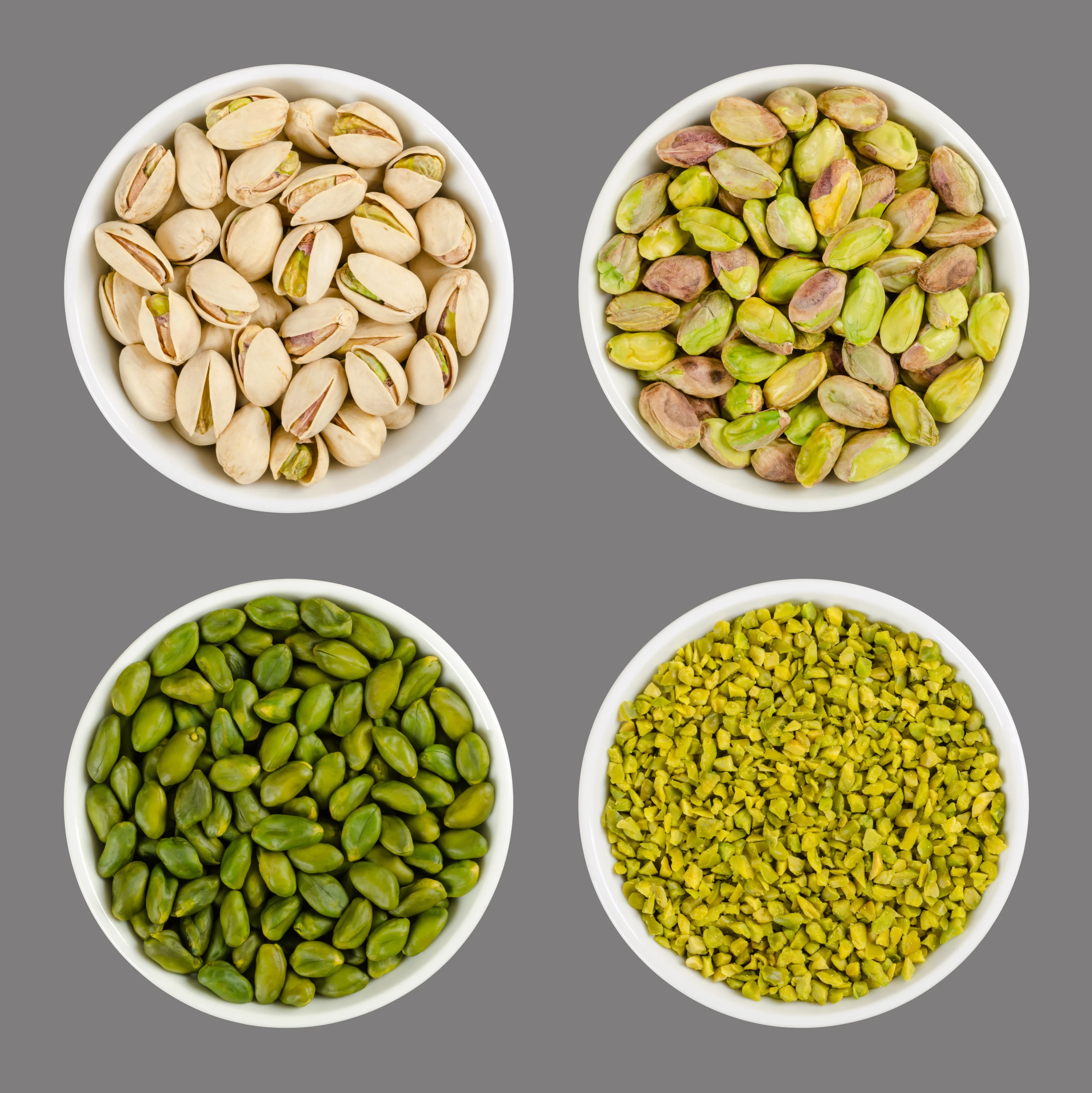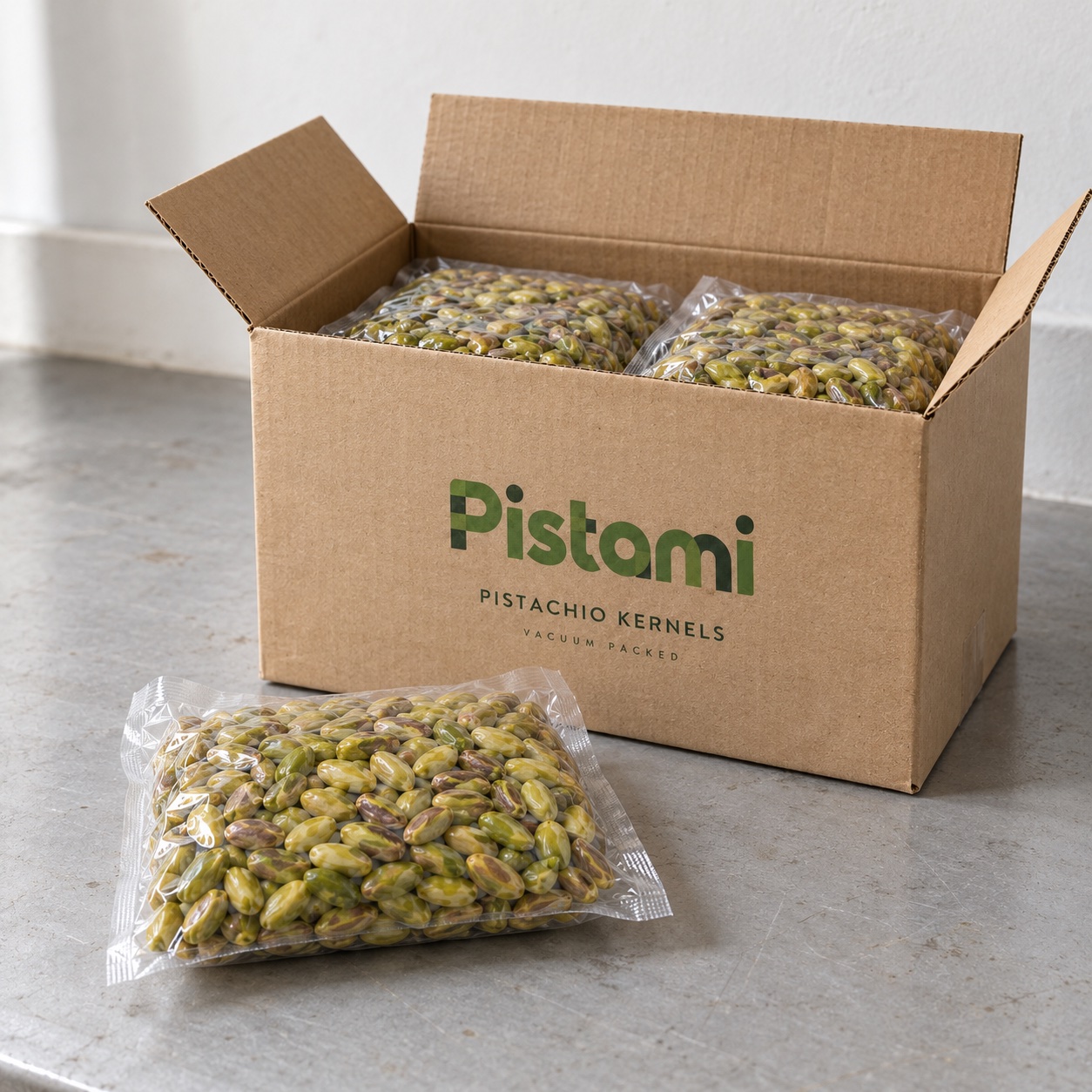
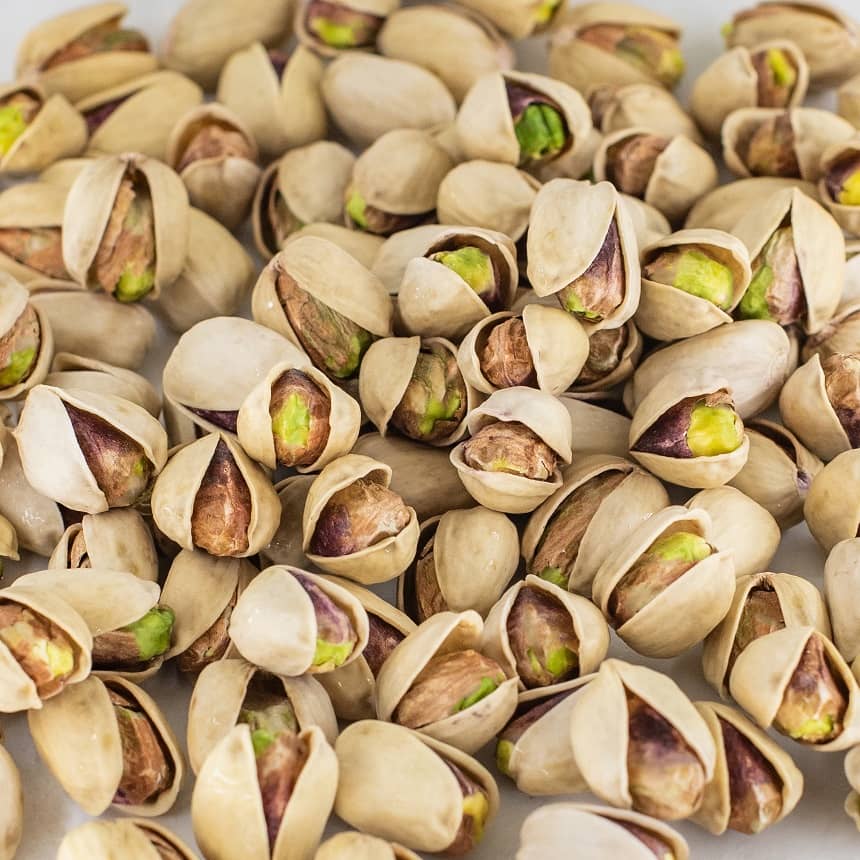
A size such as 22/24 describes a count range, not a measurement in millimetres. Understanding that distinction helps you compare quotations and choose the presentation you want for a retail pack, a roasting line or a wholesale order.
THE STARTING POINT
Lower count means larger nuts on average. Compare the count together with the variety, preparation and agreed sample.
Read the count per ounce
In-shell pistachio size is commonly expressed as the number of nuts per ounce. A 22/24 specification describes a range of 22 to 24 nuts per ounce; a 28/30 specification describes 28 to 30. Fewer nuts making up the same weight means larger nuts on average.
The USDA inspection instructions describe determining the average count from a weighed sample. This is a lot specification assessed by sampling, rather than a promise that every individual nut has the same dimensions. Agree the measurement basis and tolerances with your supplier.
| Example count | How to read it | Relative size |
|---|---|---|
| 18/20 | 18–20 nuts per ounce | Larger |
| 22/24 | 22–24 nuts per ounce | Between these examples |
| 28/30 | 28–30 nuts per ounce | Smaller |
Reference: USDA, Pistachio Nuts in the Shell Inspection Instructions — Size ↗
Choose the variety and size together
Round, Jumbo, Long, Super Long and Semi Long describe the varieties in Pistami’s in-shell range. Their shapes are different, so a count alone will not tell you how the pistachios will look in your pack.
Write both details into your enquiry: for example, ‘Jumbo / Kalleh Ghouchi, 22/24’. Then add the required preparation. Raw, roasted unsalted and roasted salted are separate choices that should remain visible in the quotation and sample discussion.
Commercial size ranges in our catalogue are starting points. Ask for confirmation of the proposed lot and its specification when placing an order, especially when consistent presentation is important to your business.
Compare quotations on the same basis
Before comparing price, check that each offer describes the same variety, size range, preparation and packing. A short product name can hide differences that matter once the goods reach your business.
Use an agreed sample to review appearance, and ask which product documents accompany the proposed order. Size does not tell you everything about quality, freshness or the product’s suitability for your intended use.
- Variety and size count, written as two separate details.
- Preparation and any specific presentation requirements.
- Quantity, pack format and delivery destination.
- Reference sample and agreed product documentation.